
Adventure Therapy Best Practices Conference 2027
10th Adventure Therapy Best Practices Conference
Brought to you by the Association for Experiential Education Therapeutic Adventure Professional Group (TAPG)
May 19-21, 2027
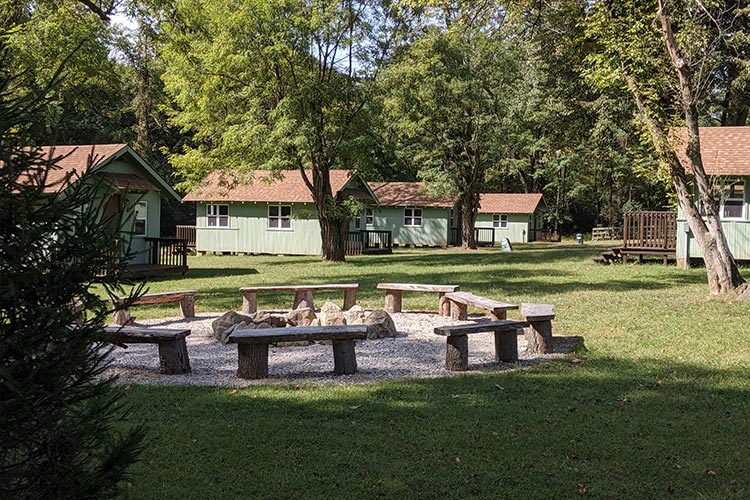
Camp Mary Orton | Columbus, Ohio, USA
Roots and Branches: Where Are We Growing?
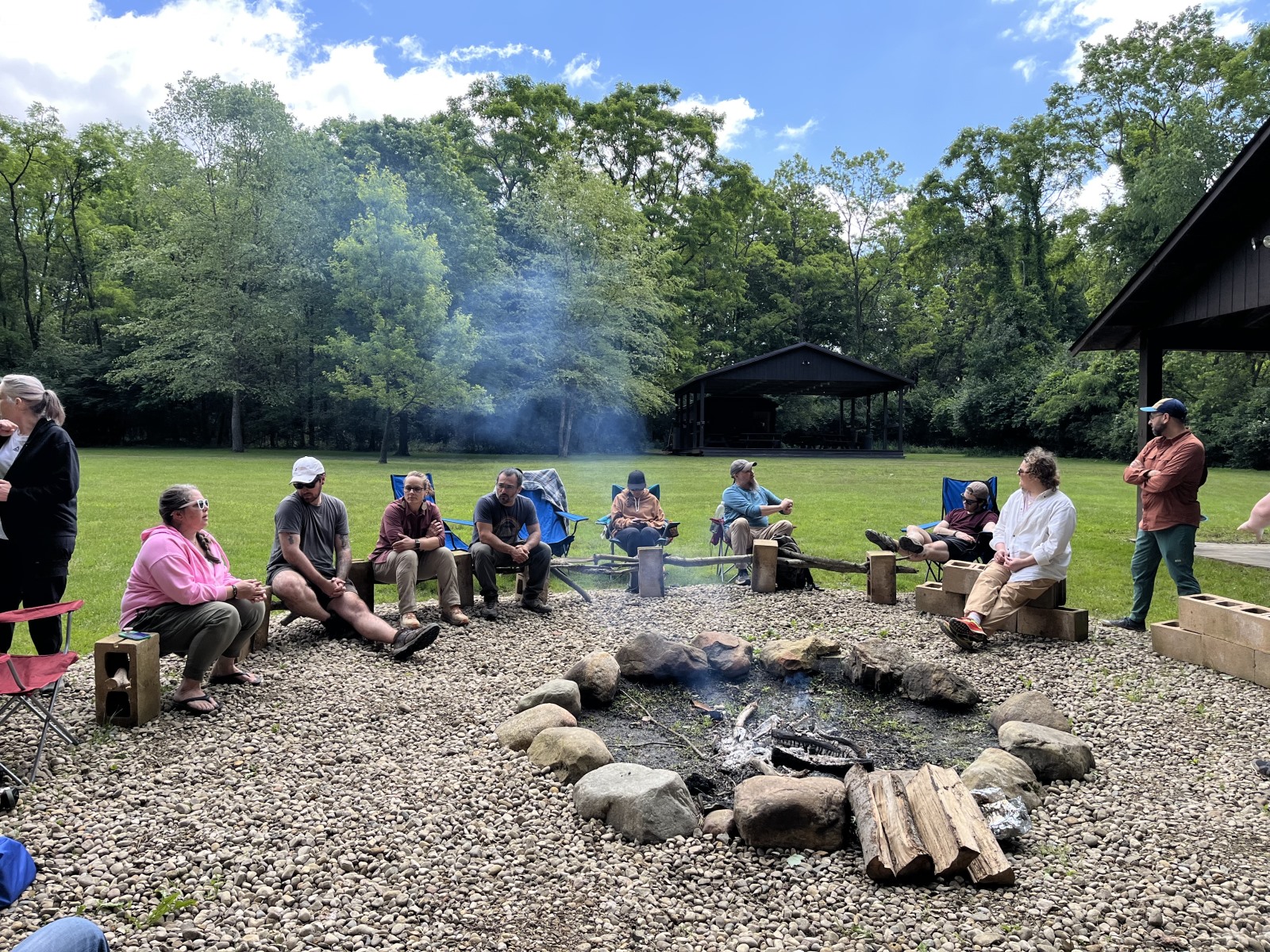 Over the past two decades our Adventure Therapy Best Practices Conferences have focused on exploring how we do our work effectively and ethically. From our 1st Adventure Therapy Best Practices Conference in 2005 to our 10th conference we’ll be holding in 2027, ATBPC has been our opportunity as therapeutic professionals to gather, connect, and collaborate to advance best practices in our field.
For this 10ATBPC we're honoring our work grounded in the outdoors by returning to a camp venue for a conference designed around the application and practice of therapeutic adventure skills!
Features of 10ATBPC include:
-
Keynote Panel & Community Discussion on our shared adventure therapy "roots and branches" facilitated by Bobbi Beale exploring the current state of the field and future growth directions.
-
Experiential workshops covering critical topics such as access, inclusion, program design, research, and more.
-
Deep-dive clinical application sessions focused on learning and leading adventure interventions, including deep-dives on initiatives and games, hiking and camping, biking, climbing, paddling, and nature-based therapy.
-
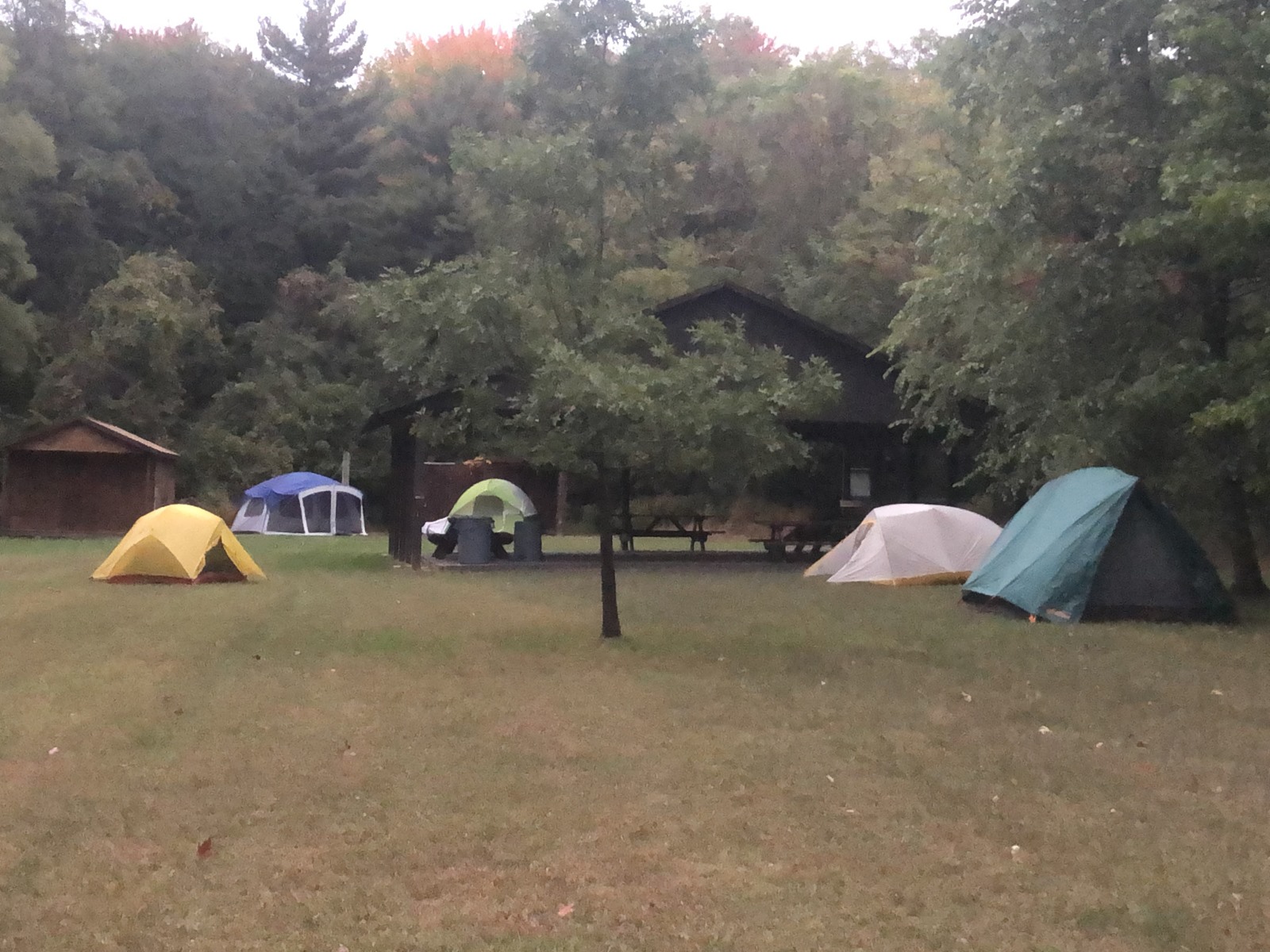
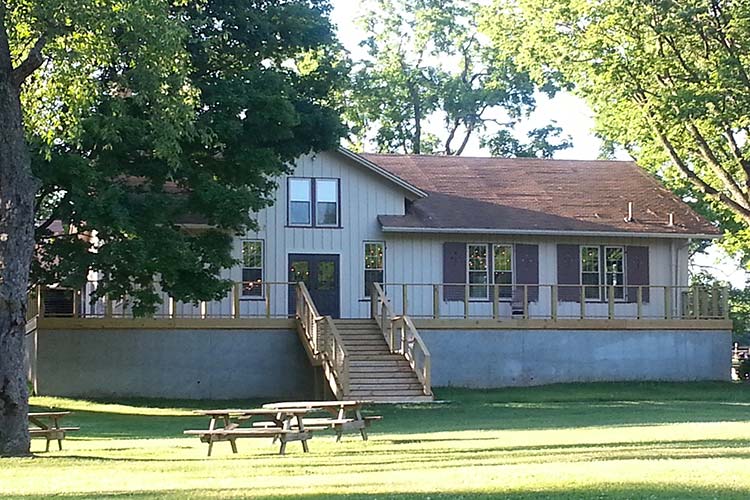
Available on-site camping and cabin village stays to optimize opportunities for community connection. Also many hotels located near the conference location for those that prefer a hotel stay!
-
Up to 13 training credit hours for CE’s, CCAT, or CTAS (application pending for CE’s)
Roots and Branches: An Interactive Panel Discussion Exploring Adventure Therapy’s Current Context
This opening panel gathers a diverse group of experienced voices to explore the meaningful trends, core challenges, and collaborative opportunities shaping adventure therapy today. Panelists will examine the structural and practical elements of our work—spanning programming, research, risk management, professional certification, staffing, insurance, and reimbursement. Grounded in the theme “Roots and Branches,” this engaging conversation invites us to reflect on the strong foundations of our practice while thoughtfully embracing the innovations and developments defining our industry's trajectory. Attendees will have the opportunity to actively engage with the panel, asking questions to help us collectively navigate where we stand as a field and where we can grow together.
Where Are We Growing? A Generative Community Discussion Exploring the Future of Adventure Therapy
The second keynote session transitions us from listening to co-creating as we digest, debate, and deepen the conversation around our field’s current realities. Attendees will move into a collaborative, generative discussion space designed to operationalize the trends and challenges raised by the panelists—from professional certification and risk management to insurance and research. In small groups, we will explore what these macro-level industry shifts mean for a practitioner’s day-to-day practice while simultaneously brainstorming the collective actions required to steward the wider profession forward. Bring your insights, questions, and vision to this interactive lab as we turn the panel’s inspiration into a concrete, actionable roadmap for personal growth and field-wide evolution.
Panel Emcee: Bobbi Beale
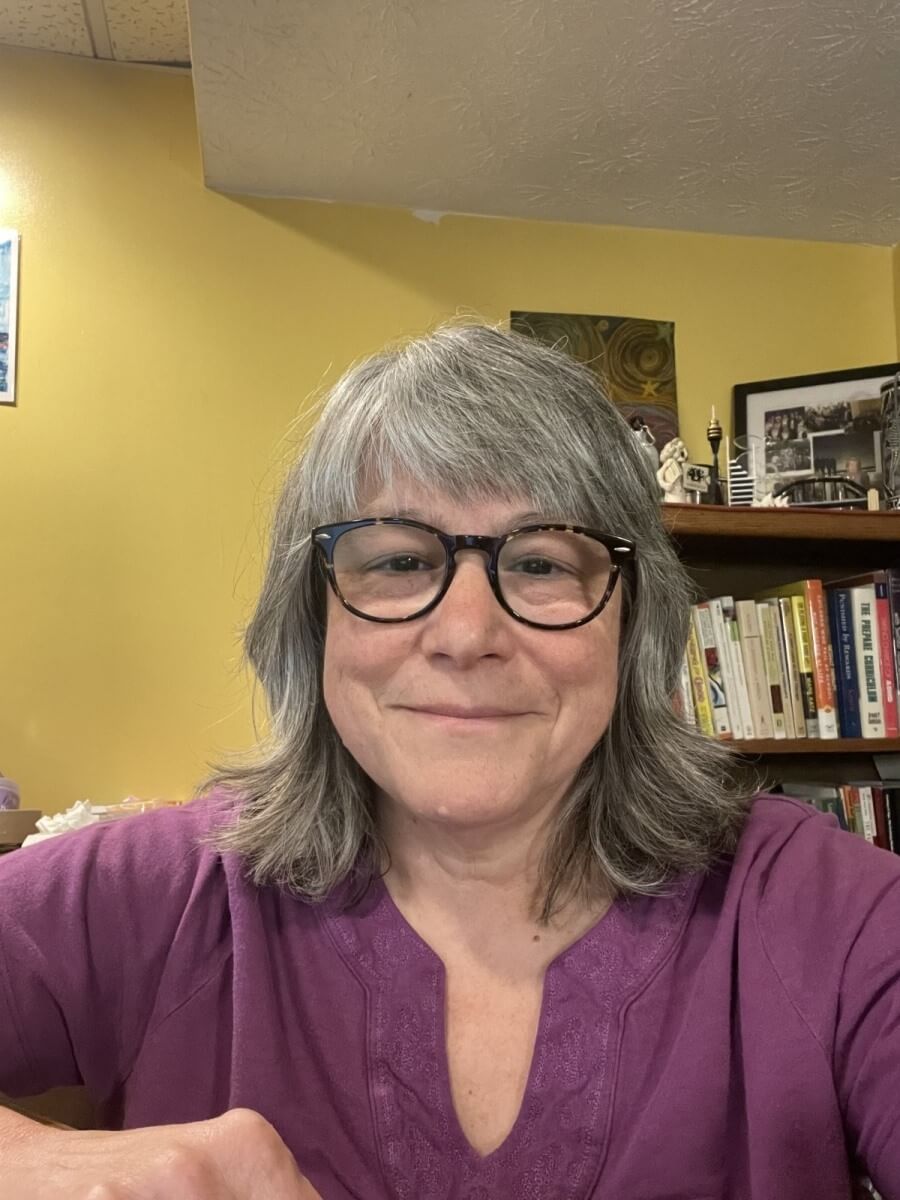 Bobbi Beale, PsyD, is a clinical psychologist and Co-Director of the Center for Innovative Practices & the Child and Adolescent Behavioral Health COE at Case Western Reserve University. Dr. Beale has over 35 years of practice and expertise in trauma, resilience, system of care and behavioral health treatments for children, youth and families, specializing in Intensive Home-Based Treatment (IHBT) and Adventure Therapy.
She is currently working with a native-owned and operated healthcare system in Alaska, designing non-traditional therapy programs for Native Alaskan youth and families that have personal, cultural and historical trauma histories. For over 20 years, Dr. Beale has used adventure therapy due to its natural alignment with trauma-informed care and anti-oppressive practices to bring awareness and change to systems of care that keep punishing participants for having trauma responses to their environments. She is co-author of the textbooks, Adventure Group Psychotherapy and Individual Adventure Psychotherapy.
Panel Members
 Lynette Spencer
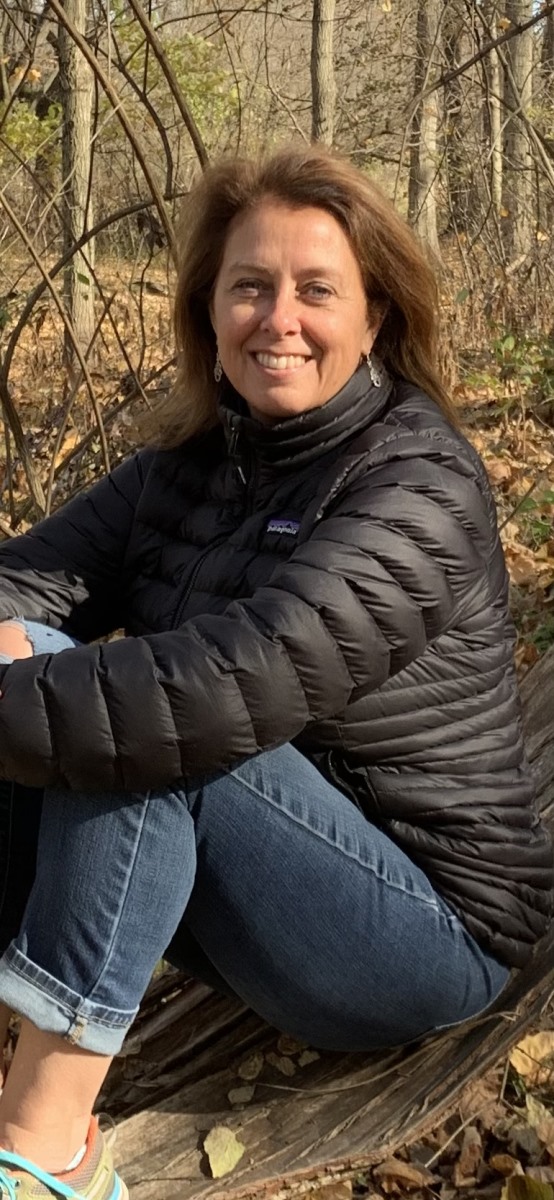
 is the founder and executive director of Adventure Works in DeKalb, Illinois and the clinician-owner of Blue Dot Psychotherapy PLLC in Batavia, Illinois. She has masters degrees in business and social work, and is licensed as a clinical social worker. Lynette was the first female chairperson of the Outdoor Behavioral Healthcare Council, and has served on the TAPG Leadership Council as Secretary in the past. She currently serves as an accreditation site reviewer and on the Certification Council for AEE. She is known as a thought leader for advancing community-based healthcare utilizing AT and OBH strategies to decrease stigma and increase access to life-changing therapeutic experiences.
 Zorbari Nwidor
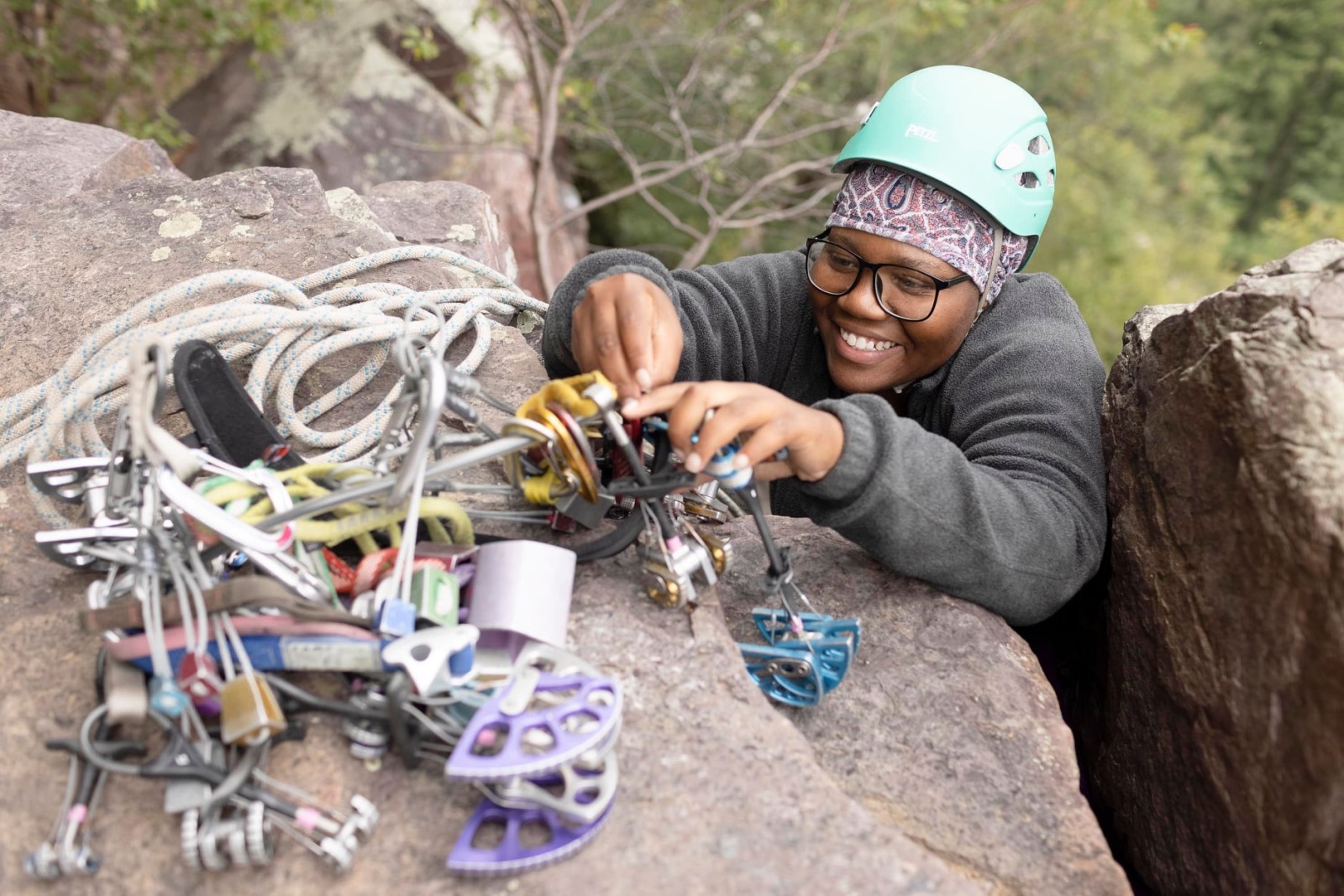
Zorbari started her involvement with Chicago Adventure Therapy as a former participant in 2009. Since then, she completed an internship with CAT, became a part of our Program Staff, and became our Executive Director in 2025! In 2012, Zorbari became the youngest Level 1 UKCC Paddlesports Coach in North America. Now, she is a British Canoeing SUP SW Coach, Coach Level 3, and holds a Three Star Award in Sea Kayak. Zorbari graduated from Howard University in May 2017.
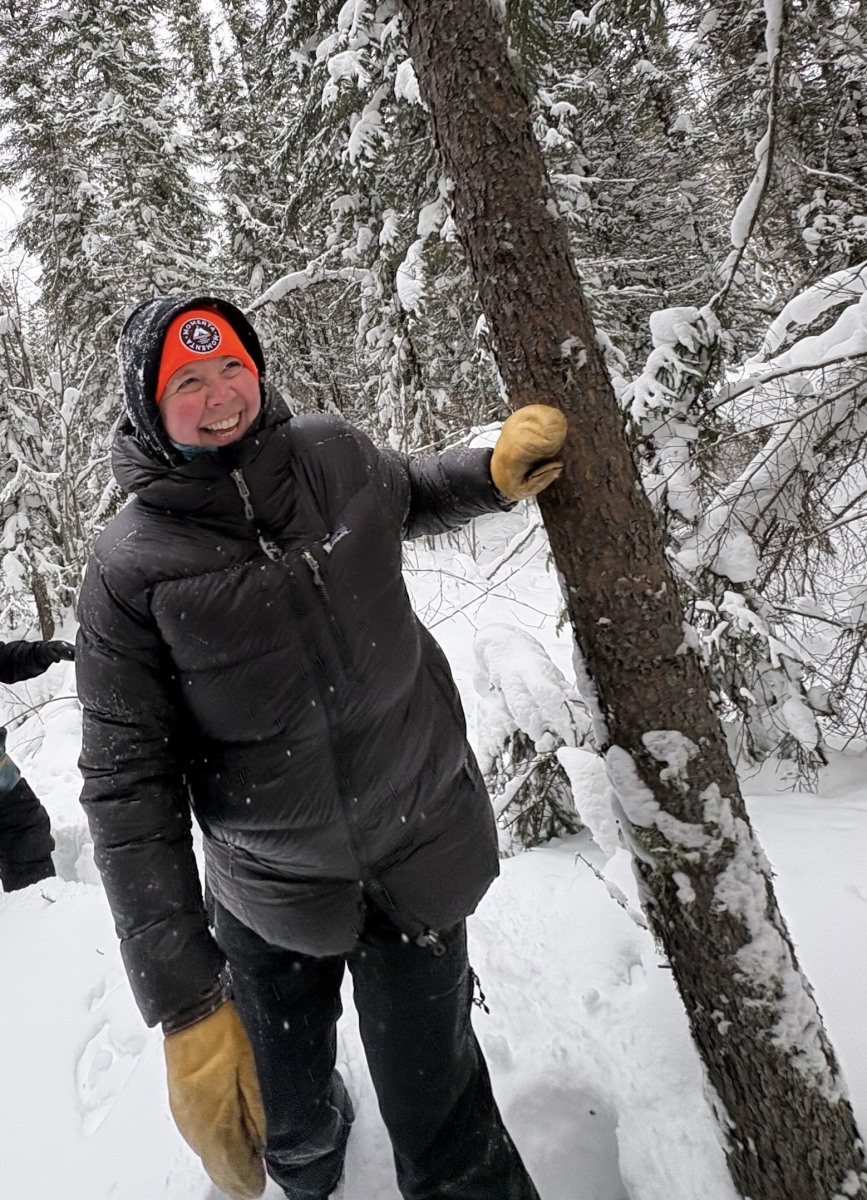 Lise Brown
 (she/her, BRS, MSW, RSW) is a therapist, facilitator and co-founder at Momenta Inc. (experiencemomenta.com). At Momenta we teach to and lead by our values in Wînipêk, in Treaty One Territory. Treaty One was signed in 1871 by the original peoples of the territory – the Anishinaabe and Nehiyaw Peoples. Wînipêk is the heartland of the Red River Métis. We commit to knowing the truth and responding to the calls to action of the Indian Residential School survivors. Chi Miigwetch to Murray Sinclair and the Truth and Reconciliation Commission of Canada for guiding all of us to Truth & Reconciliation. Lise began her career in experiential education in Manitoba as an outdoor educator and canoe guide. Lise is a life long learner and has studied recreation, social work, art-based practices and nature-based practices. Lise combines these practice areas to provide clinical supervision, facilitate groups, and counsel individuals and families in urban and remote environments. Lise prioritizes physical and emotional safety, successful participation, joy, and meaningful activity. Lise is a skilled, experiential facilitator who delivers workshops in her areas of expertise which include trauma-informed, anti-oppressive and strengths based practices, values led leadership and ethical outdoor education.
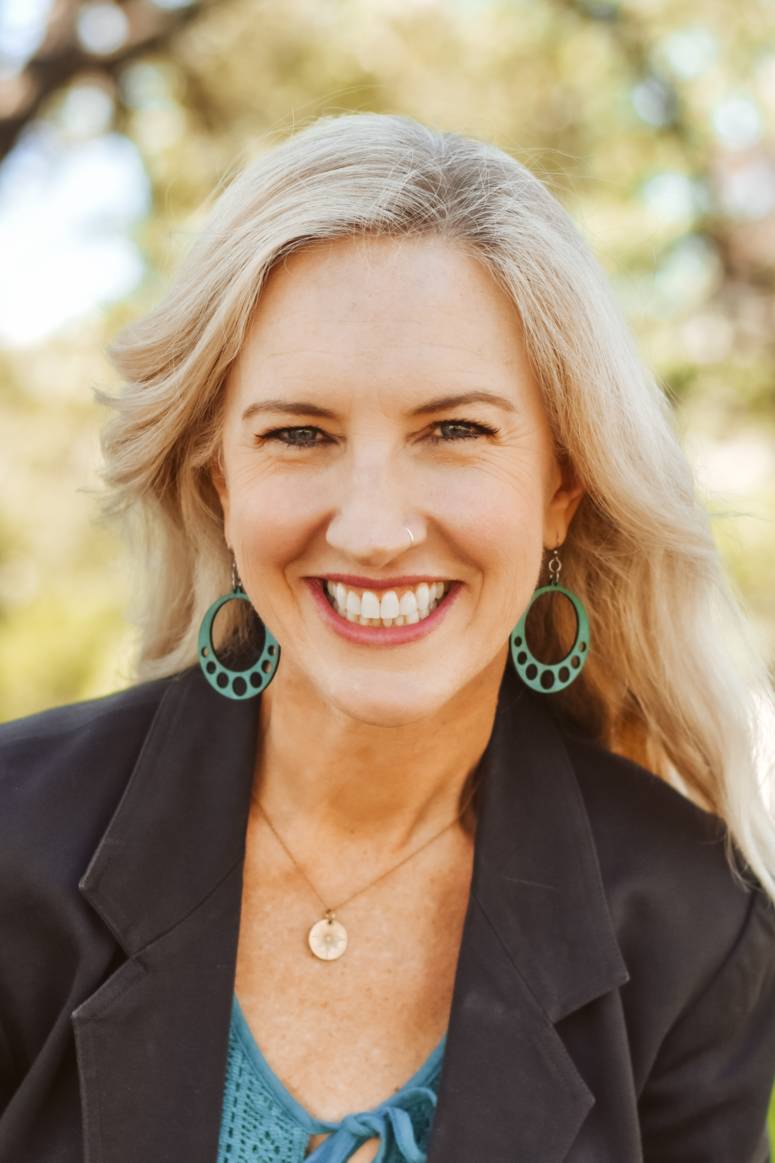 Christine Norton
Dr. Christine Lynn Norton received her Ph.D. in Social Work from Loyola University Chicago. She has a Master of Arts in Social Service Administration from the University of Chicago and a Master of Science in Experiential Education from Minnesota State University-Mankato. She is a Licensed Clinical Social Worker and a Board Approved Supervisor in the State of Texas. She is a Certified Clinical Trauma Professional, Certified Clinical Adventure Therapist, and a Certified Experiential Therapist. She has over 25 years of experience practicing and researching outdoor therapy with a focus on mental health treatment and trauma recovery.
These workshop sessions are designed to take a deep dive into adventure therapy practice through extended sessions that will include content on theory, practical application, and experiential skill-building for specific activities used in adventure therapy practice.
Paddling Interventions: Relational Intervention for Individuals, Couples, and Families
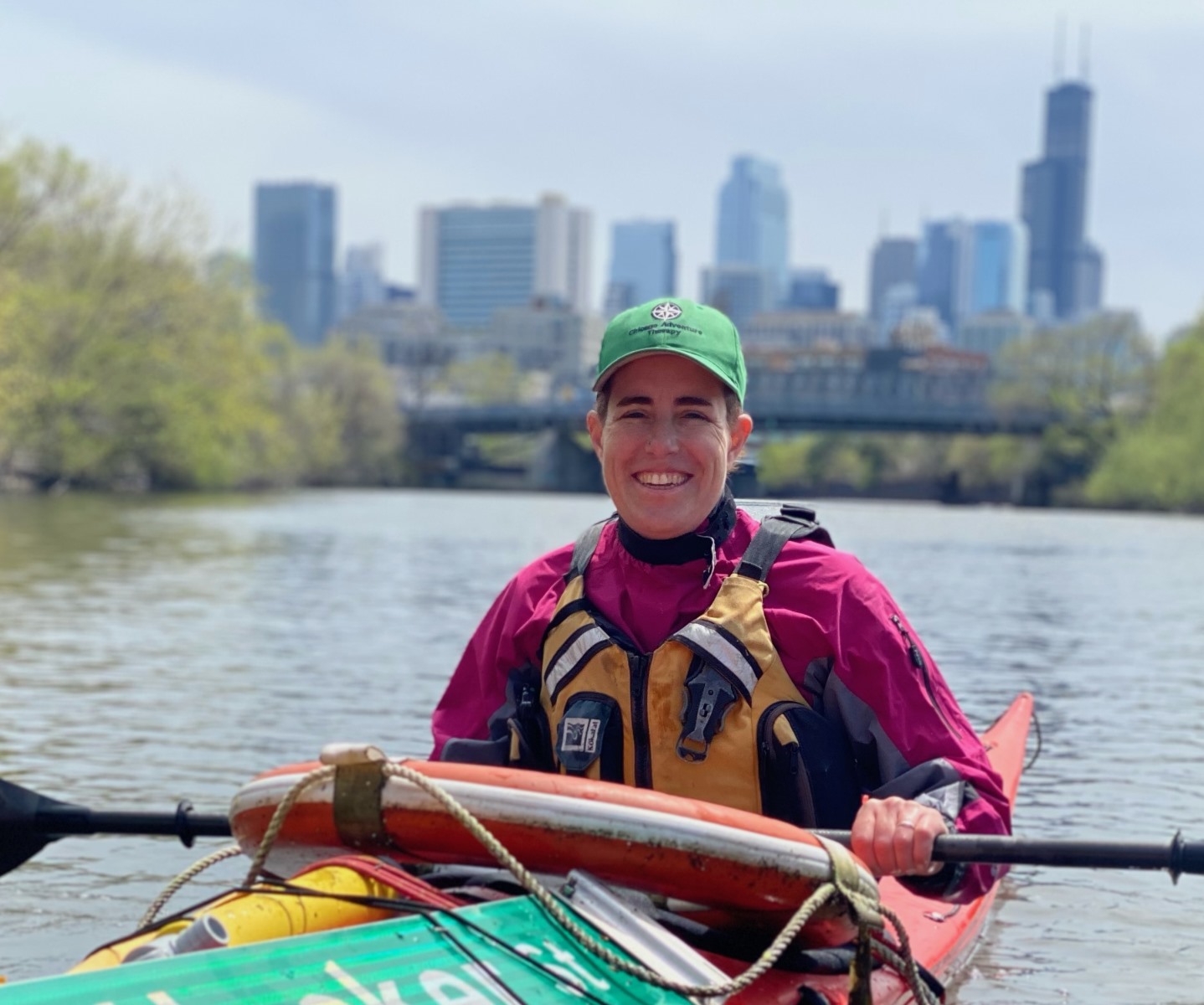
Presenters: Maurie Lung, Lynette Spencer, Zorbari Nwidor, Laura Statesir
Paddling invites connection in ways talk therapy often cannot. In this workshop, practitioners will explore how canoeing, kayaking, and stand-up paddle boarding can be used intentionally as relational interventions with individuals, couples, and families. Grounded in trauma-informed research and adventure therapy practice, participants will examine how shared rhythm, communication, trust, and changing conditions on the water mirror relational patterns on land. You will learn practical strategies for assessment, therapeutic framing, risk management, and processing. Additionally, practical organizational program development and implementation is included. You will leave with tools to integrate paddling into clinical work to foster regulation, repair, and connection.
Rock Climbing for Resilience: Using Movement to Encourage Psychosocial Well-being.
Presenters: Daniel Cavanaugh, Deanna Vermulm
This workshop teaches therapists how to safely incorporate trauma-informed approaches to rock climbing into practices to encourage resilience, psychosocial well-being, and connection among participants. Participants will learn interventions that they can facilitate in near-nature climbing in the outdoors or in their local gym. They will learn best practices for risk management, pathways to certification, and techniques to control for liability. This workshop will be highly experiential and will include bouldering and top rope climbing. All climbing exercises are optional.
Mountain Biking for Therapeutic Change: Technical Skills and Facilitation
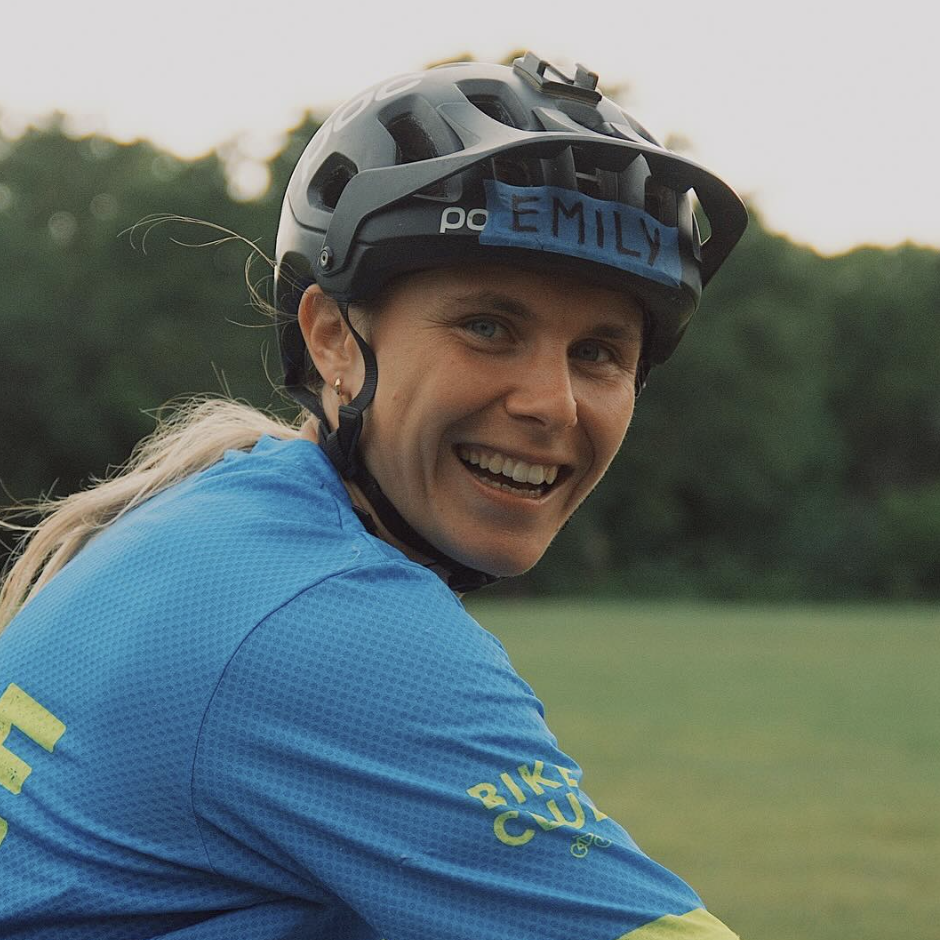
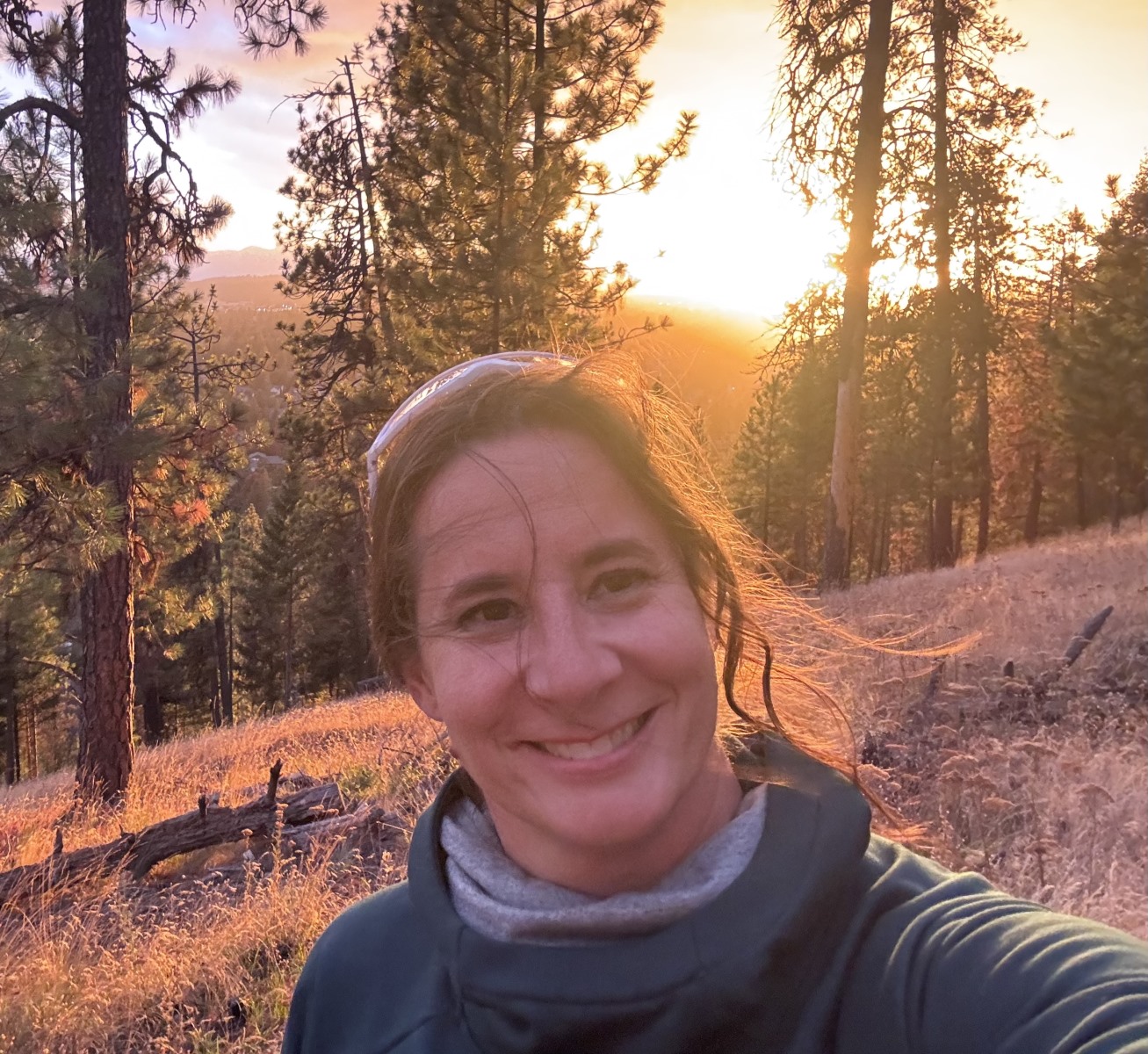
Presenters: Cian Brown, Emily Adamic, Christy Jo Crowley
This interactive, on-bike workshop will equip practitioners with the knowledge, technical skills, and efficacy to use bicycling as a therapeutic intervention! First, we will provide an overview of how biking can integrate into the facilitated wave model for adventure therapy. Then, we will lead an on-bike session beginning with general instruction and skill-building, demonstrating natural metaphors between biking activities and therapeutic outcomes. We’ll then do trail riding, demonstrating the use of nature as a co-facilitator of change. All bikes & equipment will be provided. Open to all skill levels, but ability to pedal a bike comfortably is recommended.
Beyond Talking and Walking: An Exploration of Hiking and Orienteering Interventions
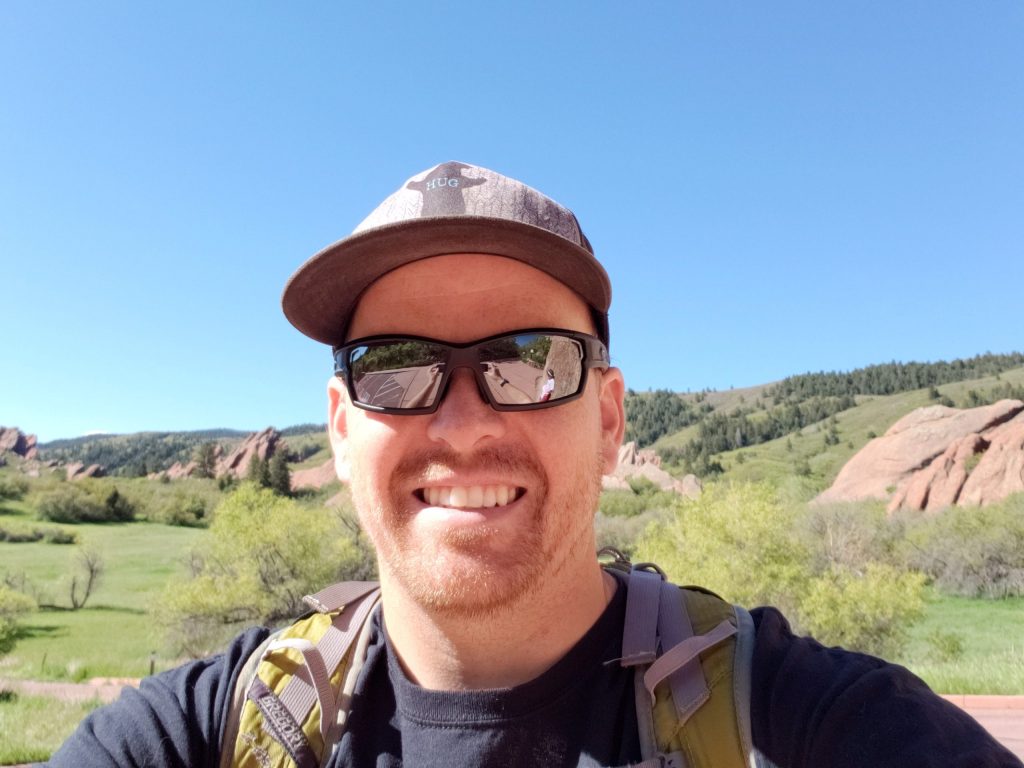
Presenter: Nick Magle-Haberek
While "walk and talk" therapy is perhaps one of the most accessible interventions under the Adventure Therapy umbrella, it can be easy to "get stuck in a rut." This workshop will explore a variety of approaches, interventions and frameworks for expanding the clinical use of walking and hiking in adventure therapy. Participants will explore walking activities such as: sensory walks, a scaffolded orienteering adventure, and a "creeking" hike all while exploring the science and research connected with these activities. Finally, participants will explore the administrative components of implementing these types of interventions, from risk management to land use and permitting.
Nature-Connection for Health and Healing
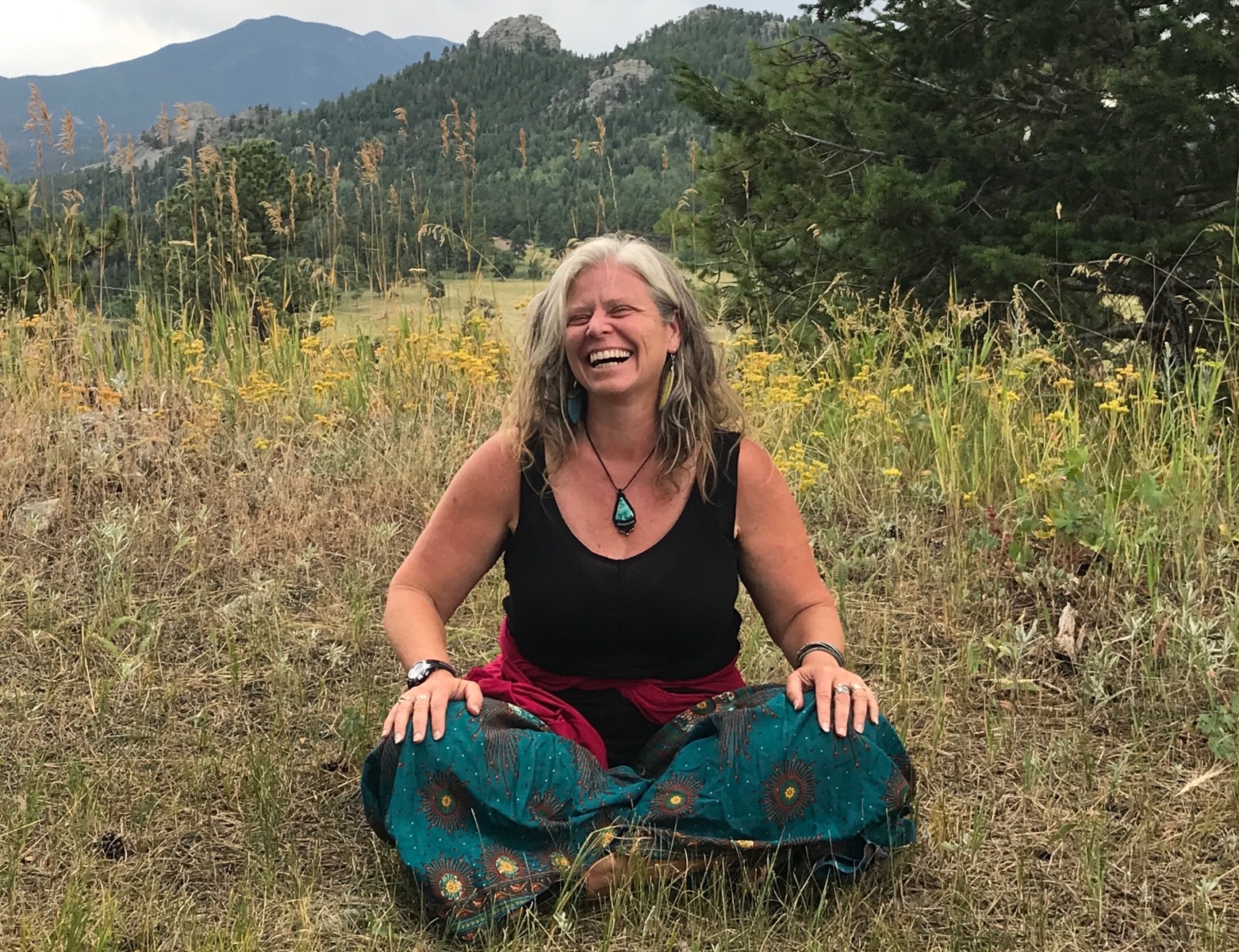
Presenter: Katie Asmus
Nature-based therapy can be accessible to everyone, regardless of setting or physical capacity. Nature-connection can happen in a city park, through a window, or while walking "with" your client during a telehealth session. In this experiential workshop, we'll spend time on the land exploring how nature-connection supports regulation, expression, metaphor, mirroring, and belonging. We'll consider how to create interventions for specific therapeutic goals and clarify where nature-connection fits in your work, whether as theoretical orientation, tool, or setting. You'll leave with a wide array of practical exercises and confidence in articulating your why and how.
Intentional Design: The Clinical Selection, Sequencing, and Facilitation of Initiatives and Games
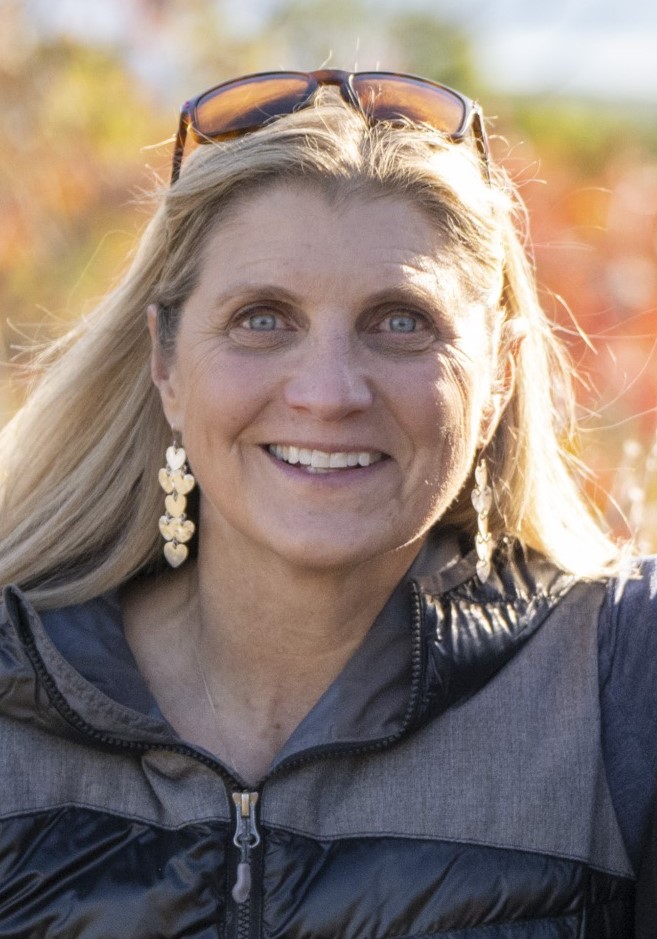
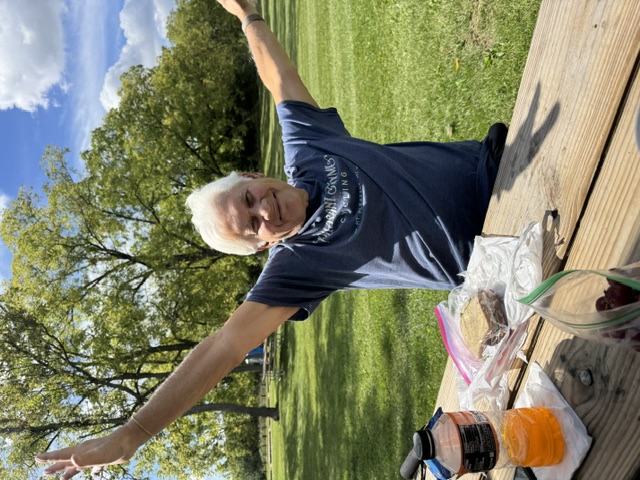
Presenters: Anita Tucker, Tony Alvarez
This experiential workshop bridges theory and practice by exploring how intentionally selected initiatives and games serve as powerful catalysts for healing and growth. Participants will delve into the clinical intentionality behind experiential sequencing, learning how to select, frontload, and process activities to address specific therapeutic goals such as emotional regulation, interpersonal trust, and relationship development. Moving beyond abstract concepts, the session features an active practice component where attendees will participate and facilitate live experiential interventions. This hands-on lab allows practitioners to refine their processing skills, navigate participant responses in real-time, and experience the transformative impact of adventure therapy from both the participant and practitioner perspective, leaving them with a practical toolkit ready for immediate implementation in their own practices.
The Un-Workshop: An Open Collaborative Forum for Experiential Practitioners
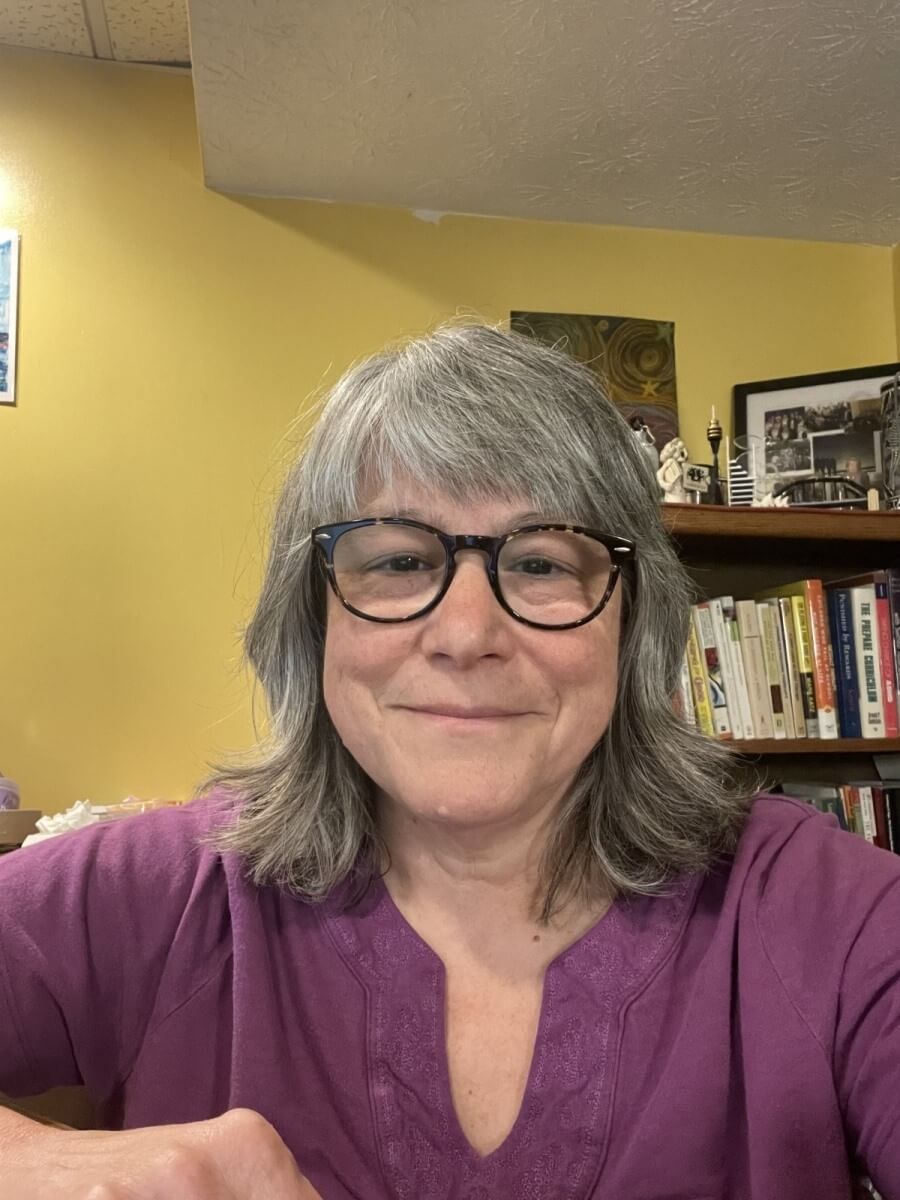
Presenter: Bobbi Beale
Designed for participants seeking less structured exploration, this drop-in style workshop offers a flexible, participant-driven alternative to the conference's intensive, deep-dive clinical tracks. Rather than following a fixed curriculum, attendees are invited to use this open collaborative space to pilot new initiatives, problem-solve real-world facilitation challenges, or co-create organic discussions based on immediate clinical needs. A seasoned facilitator will be on hand to provide light structure, safety management, and resource materials, but the agenda belongs entirely to those in the space. Perfect for experiential learners who thrive on peer-to-peer networking, spontaneous collaboration, and hands-on experimentation, this workshop allows you to customize your learning pace and focus exactly on what you need most.